7 Quote Resets Makers Need for High-Temp 3D Print Jobs in 2026
Your ABS quote can look profitable and still lose money by layer three. Chamber heat, spool drying, and slower cleanup do not disappear because the printer is newer. If you are taking tougher jobs in 2026, lazy pricing gets punished fast.
3 SEO Title Options (With Numbers)
- 7 Quote Resets Makers Need for High-Temp 3D Print Jobs in 2026
- 5-Minute Pricing Workflow for ABS, ASA, and Nylon Orders
- 9 Hidden Cost Traps in Engineering-Grade Prints After Your Hardware Upgrade
Why This Topic Is Hot Right Now
On January 16, 2026, Prusa announced CORE One+ upgrades with an optional high-temp print head and chamber heater. That is a clear signal that more small shops will take on hotter, riskier jobs this year.
On August 11, 2025, Bambu Lab introduced the H2D Pro platform. Faster and more capable hardware is great. It also makes bad quote habits more expensive.
On January 13, 2026, the U.S. EIA projected average residential electricity prices at 17.94 cents per kWh for 2026. That does not mean every heated chamber job is unprofitable. It means you should stop treating power as a rounding error.
The Pain Most Makers Feel
PLA habits sneak into engineering-grade quotes. You reuse an old template. Then chamber warm-up, dryer time, support cleanup, and higher failure risk quietly eat the gain.
Pro Tip: Quote chambered jobs from logged wall-clock time, not slicer time alone. Heated prep and cooldown are real shop costs.
Personal Experience #1: The ASA Enclosure Batch That Exposed My Old Template
In January 2026, I reviewed a small run of ASA electronics enclosures for a Dallas maker who had just upgraded into an enclosed setup. The machine was faster. The quote sheet was still stuck in the old PLA era.
Material looked fine on paper. The real problem was missing chamber warm-up, filament drying, and support cleanup. After rebuilding the quote inside the 3D Print Cost Calculator, the batch price went up just enough to protect the job instead of sabotaging it.
The 7 Quote Resets That Matter Most
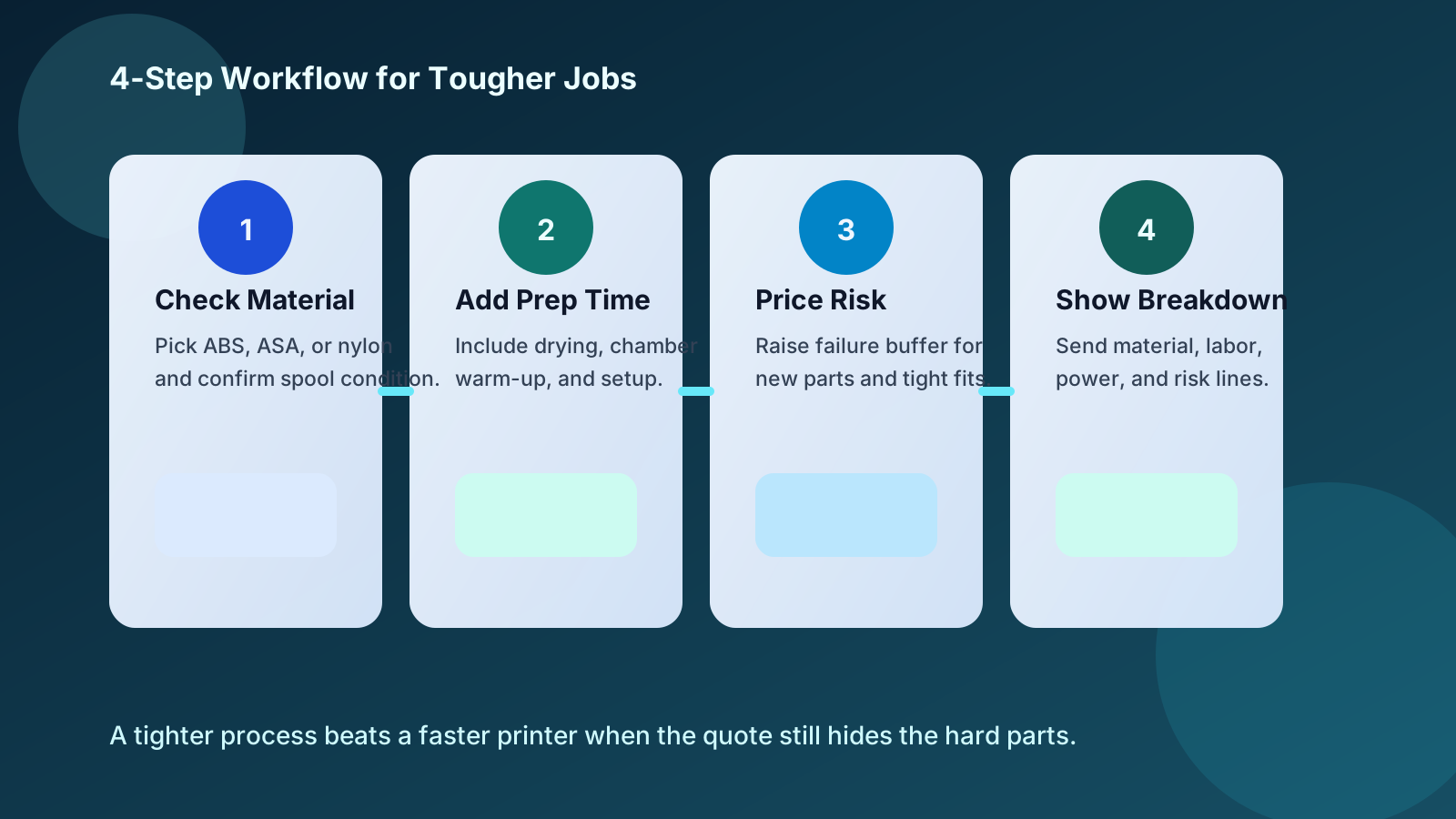
- Price chamber warm-up and cooldown as machine time.
- Add spool drying and prep time for moisture-sensitive materials.
- Raise your failure buffer on new engineering parts.
- Separate support removal from basic post-processing.
- Track power for long heated-bed and enclosed runs.
- Stop reusing PLA margin targets for ABS, ASA, and nylon.
- Show clients a line-by-line breakdown instead of one vague total.
Personal Experience #2: The Nylon Part That Failed Before the Quote Was Even Honest
A Shenzhen keyboard-case seller asked me why nylon brackets kept becoming "rush jobs" by the second print. The printer was not the real issue. The quote ignored drying and extra verification prints.
We started weighing partial spools and checking usable length with the Filament Estimator before every deadline-sensitive run. That alone removed the fake confidence from the schedule. The next quote was slower to send and much safer to accept.
Pro Tip: Drying time should sit on the quote as prep, not hide inside print time. Clients accept setup costs faster when you tie them to reliability.
Old PLA Thinking vs a 2026 High-Temp Workflow
| Quote Area | Old Habit | Better 2026 Workflow | Why It Wins |
|---|---|---|---|
| Material choice | Use one generic markup | Adjust by material family and risk | Better margin control |
| Power cost | Ignore chamber heat | Track heated time and real kWh assumptions | Fewer surprise losses |
| Prep time | Start job immediately | Add drying and setup before print | More realistic delivery dates |
| Failure buffer | Reuse flat percentage | Raise risk on new parts and tighter tolerances | Less emergency discounting |
| Client communication | Send one final price | Show material, labor, power, and risk lines | Higher trust and fewer price fights |
Personal Experience #3: The Transparent Quote That Closed the Job
In February 2026, I helped a Boston product team compare two quotes for a short ASA enclosure run. One quote was cheaper. It was also suspiciously vague.
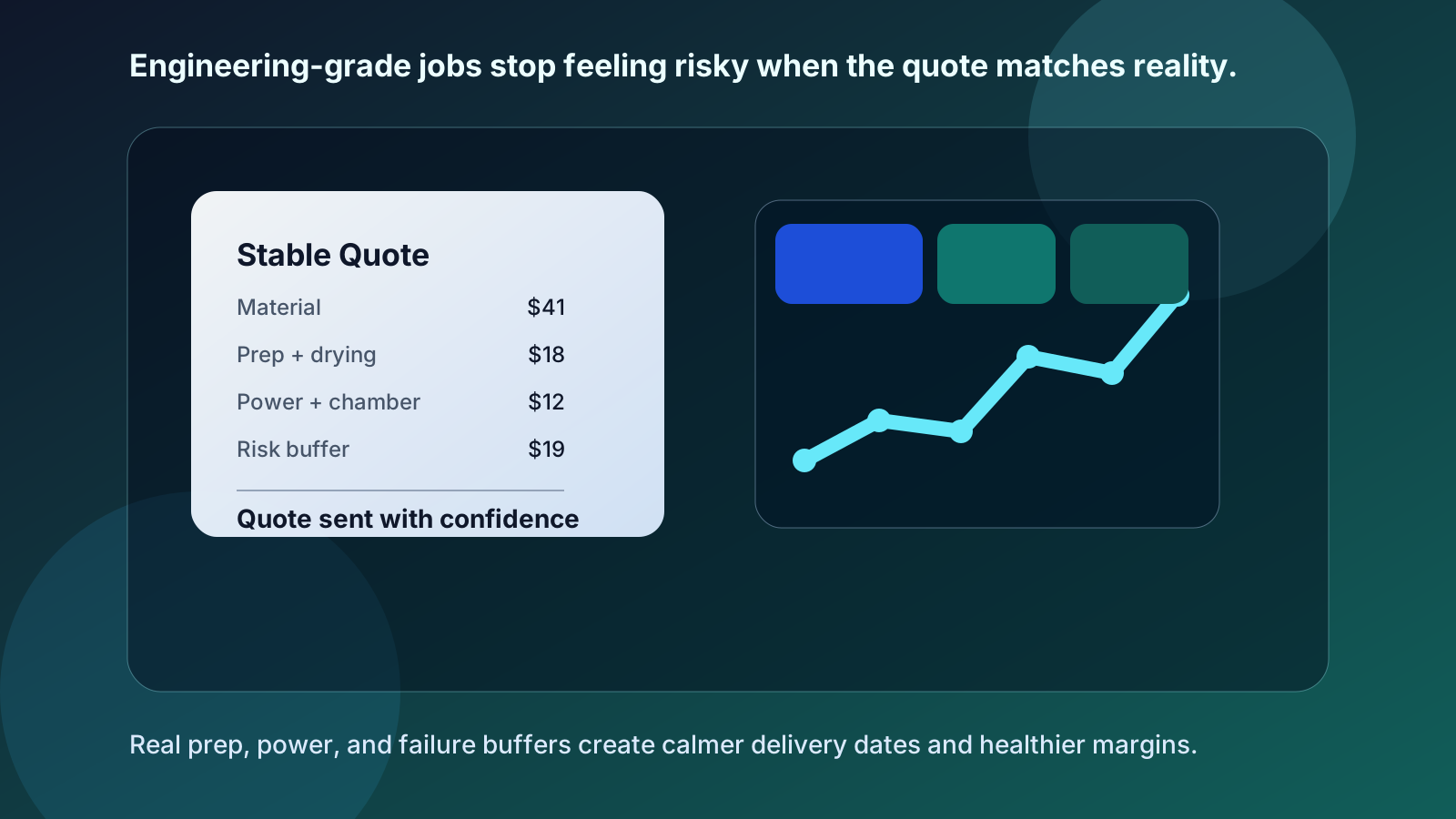
We kept the price slightly higher, but we explained every line: material, power, prep, finishing, and retry risk. I also sent the buyer the ASA material guide so the performance tradeoff was clear before approval. They accepted the logic because the quote sounded like a process, not a guess.
If your current template still feels optimistic, fix one real order first. Then reuse that template for the next batch instead of improvising again.
Price Your Next Heated-Chamber Job Before You Hit Start
Use Tool Hub to account for material, power, prep, and risk before an engineering-grade print turns into a discount.
Run one active ABS, ASA, or nylon order through the calculator now. If your hardest line item is still unclear, leave it in the comments and I will turn that scenario into the next teardown.
Meta Description (140 chars): 2026 high-temp 3D print pricing guide: quote ABS, ASA, and nylon jobs with real prep, power, and risk costs using Tool Hub.